Don't Panic! A Hitchhiker's Guide to AppSec, DevSecOps and AI: and the Answer Is Still 42
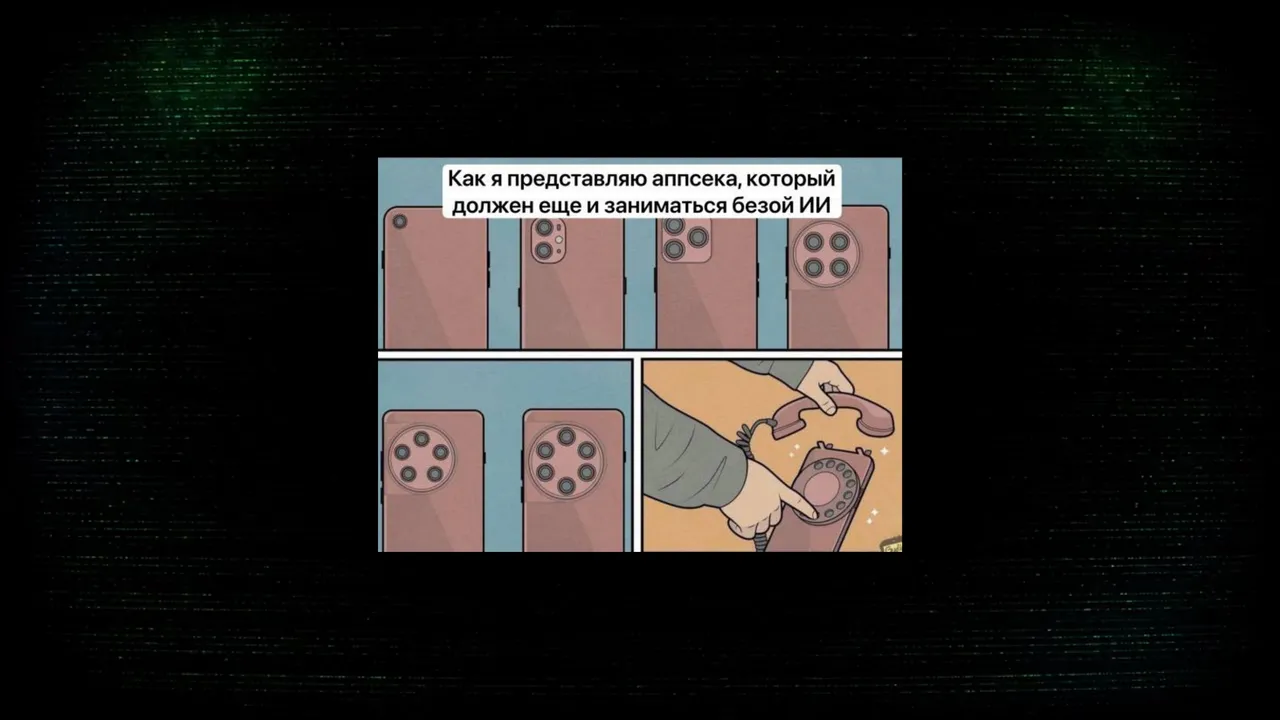
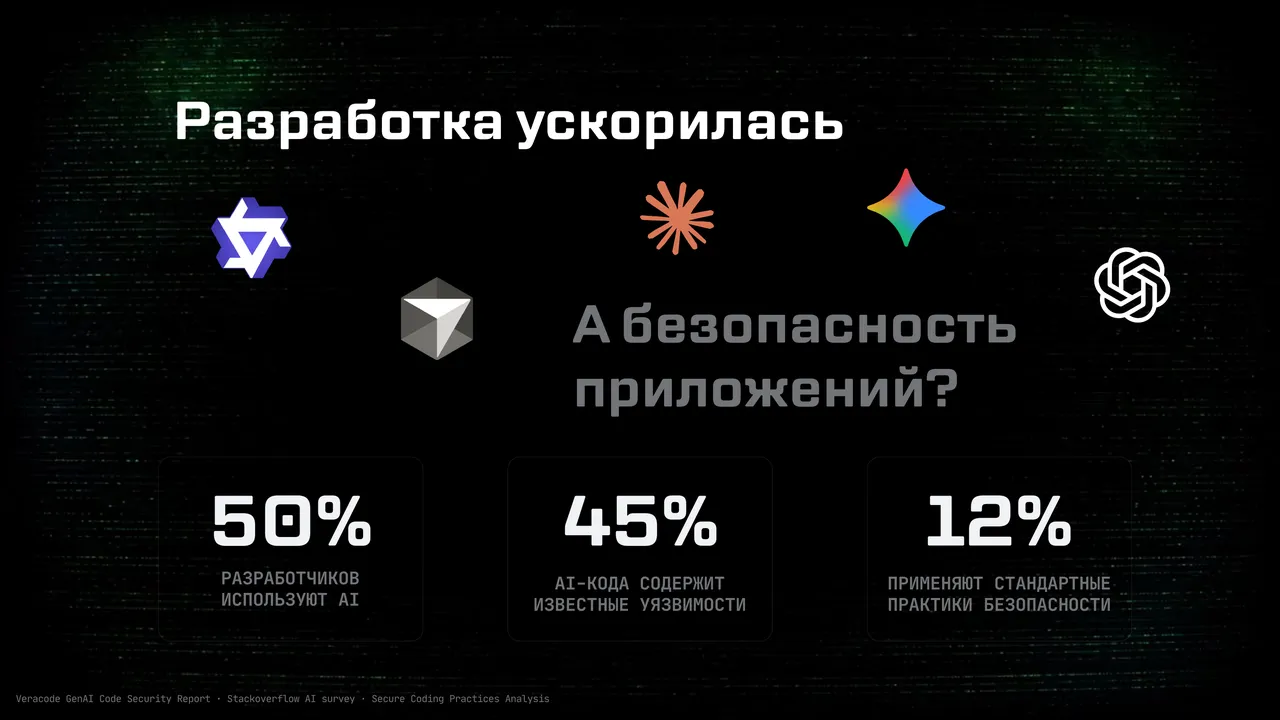
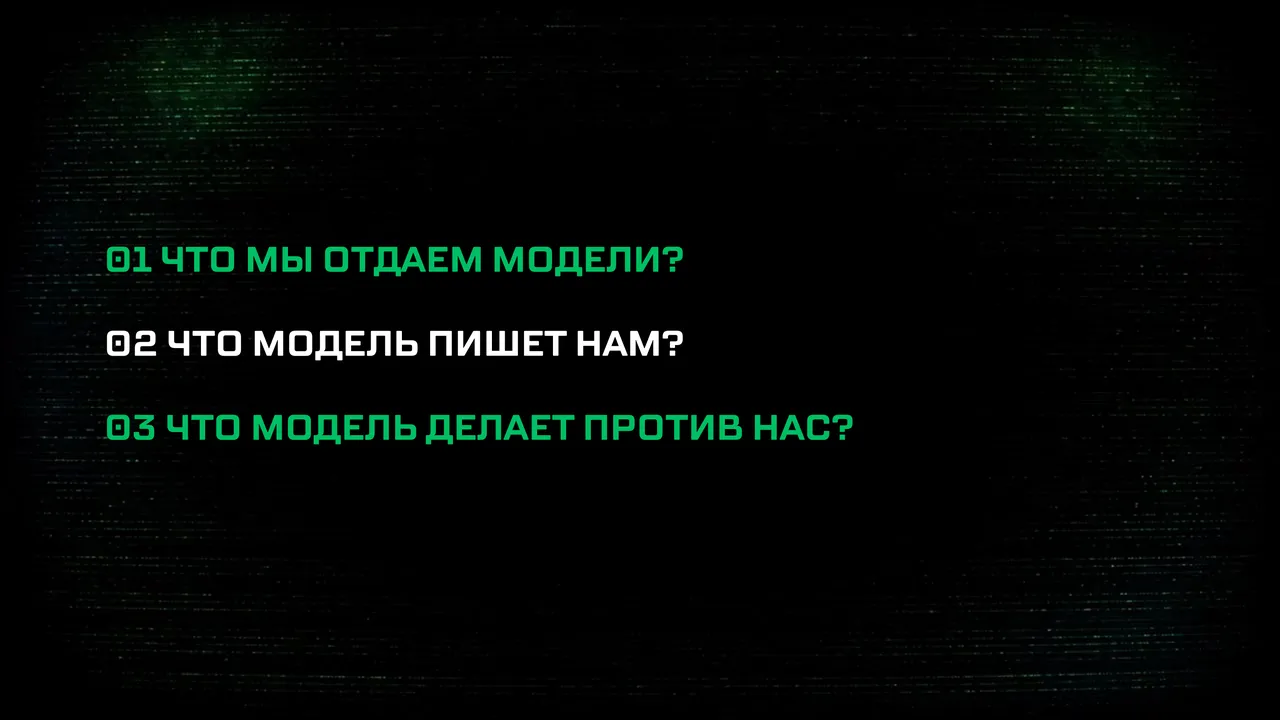
AI has sped up both development and attackers, while AppSec has the same people and processes. The talk answers three questions: what we give to the model, what the model writes for us and what it does against us.
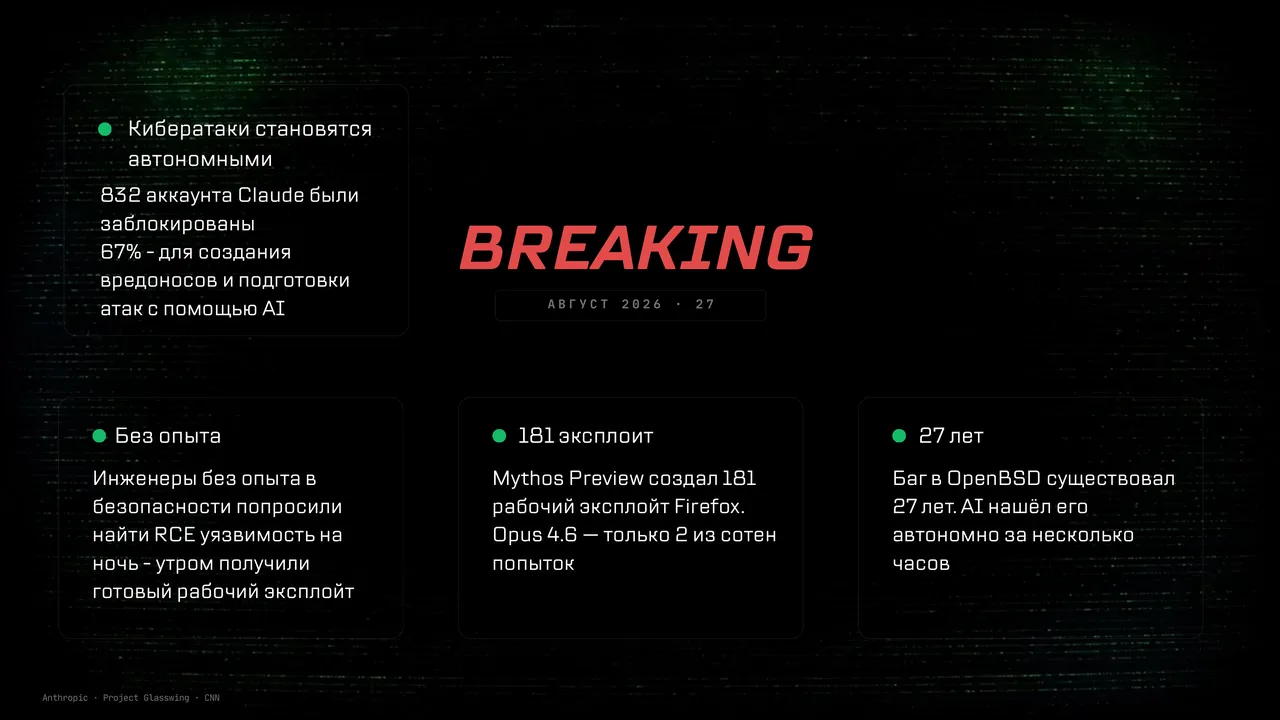
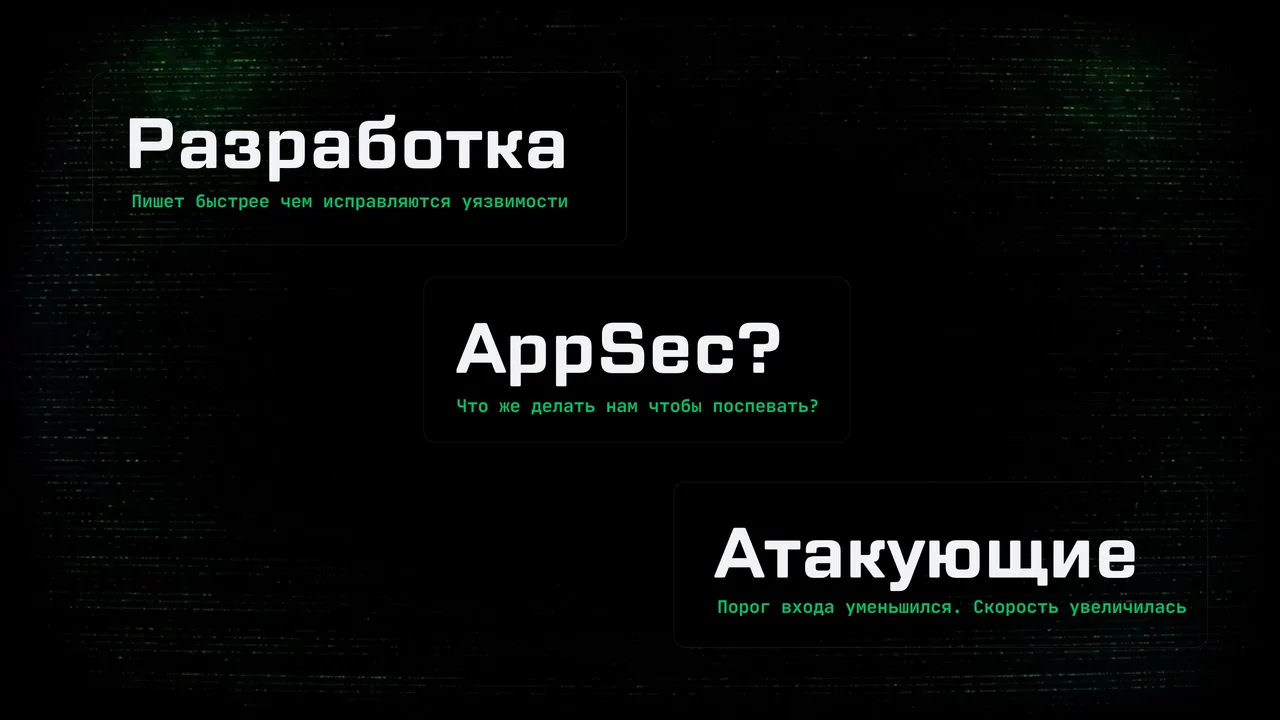
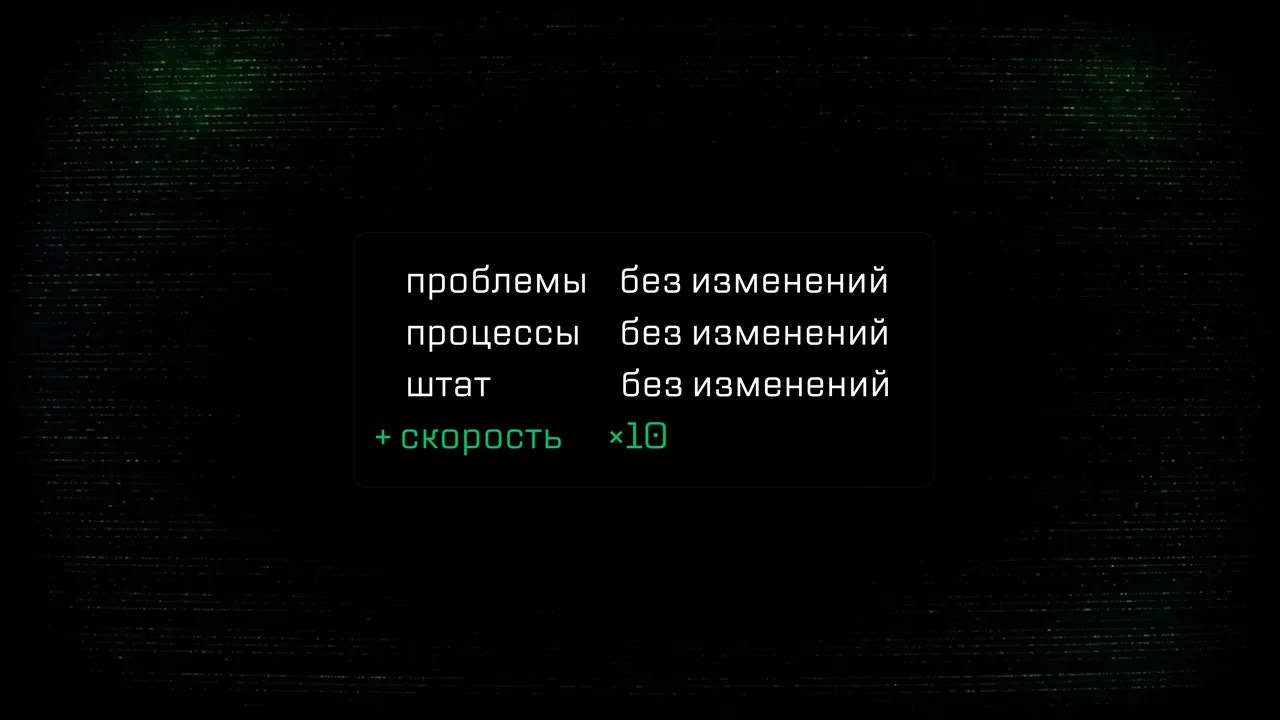
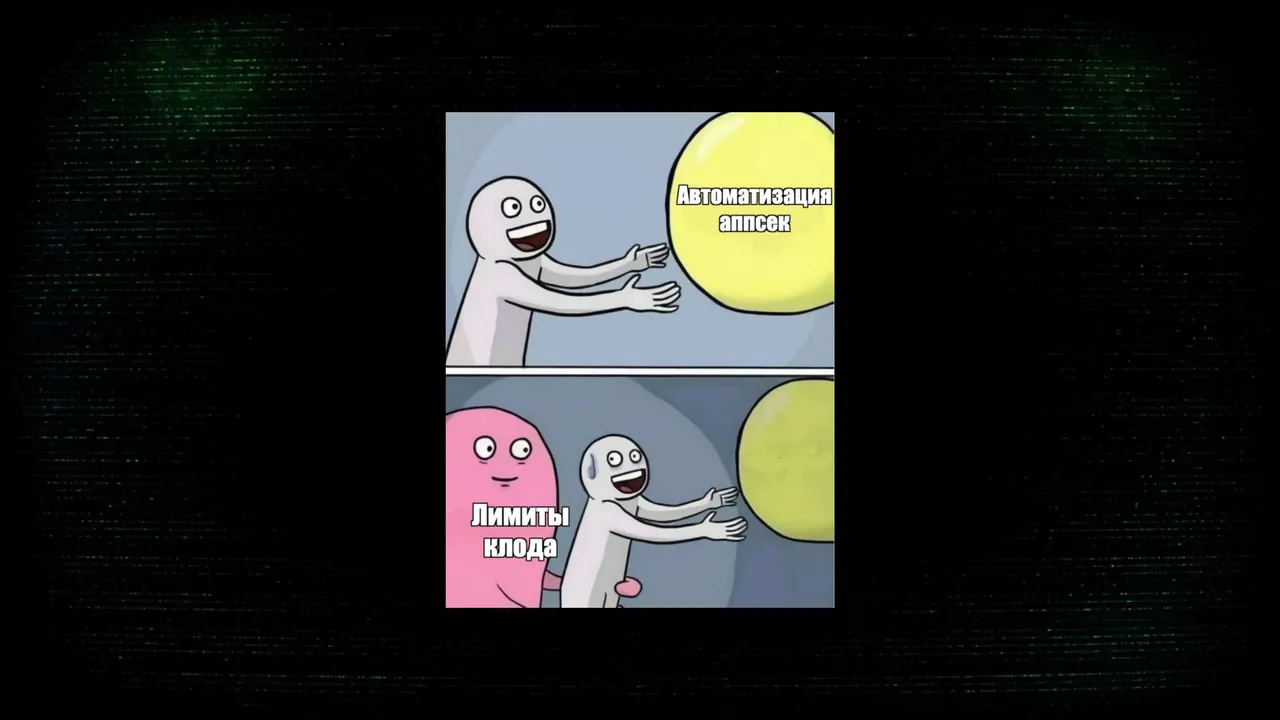
Development with AI writes code faster than vulnerabilities get fixed, and the entry barrier for attackers has dropped. AppSec has the same problems, processes and staff, while the speed has grown many times over.
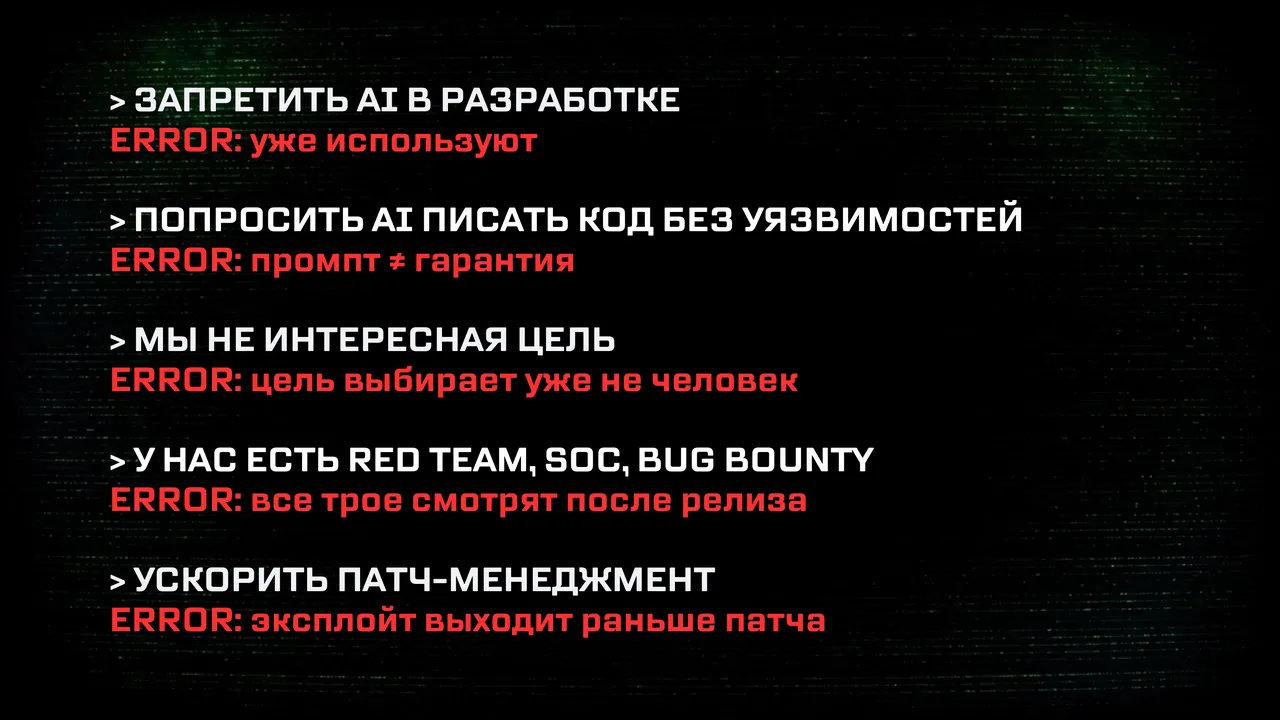
Why the usual answers do not work: ban AI, but it is already in use; ask it to write without vulnerabilities, but a prompt is no guarantee; "we are not an interesting target", but the target is no longer chosen by a human; red team and SOC look after the release; the exploit appears before the patch.
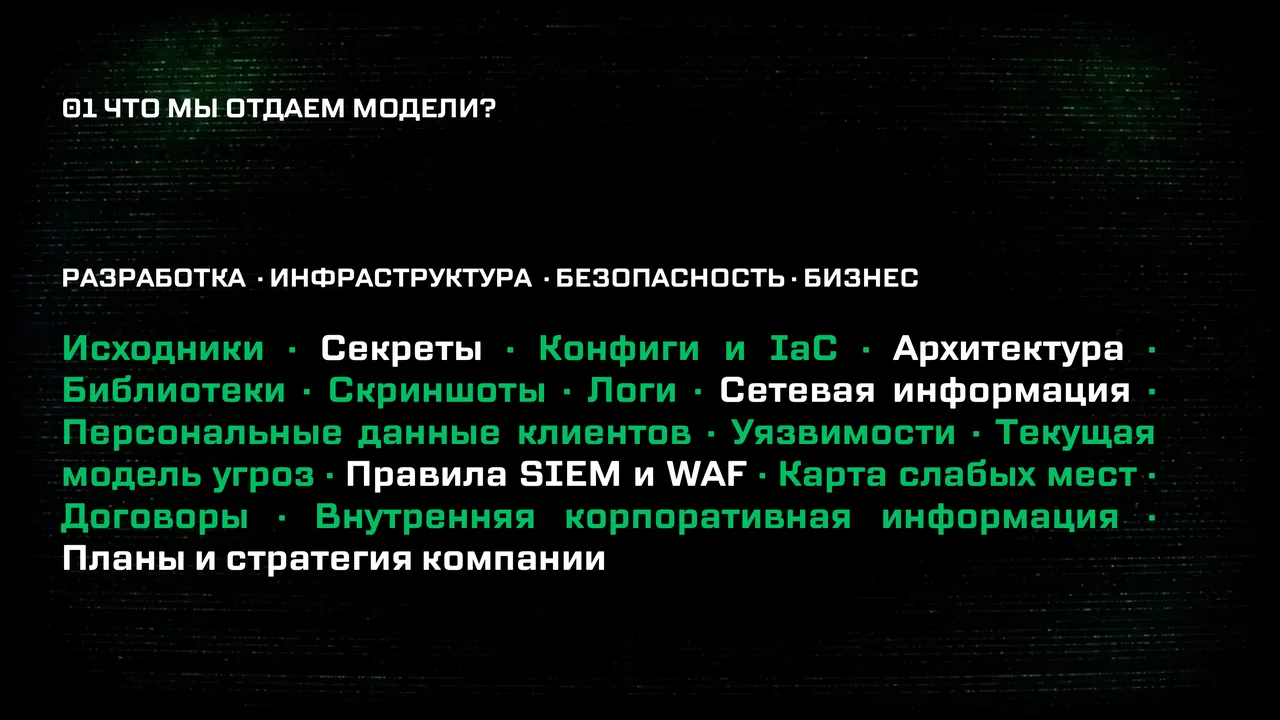
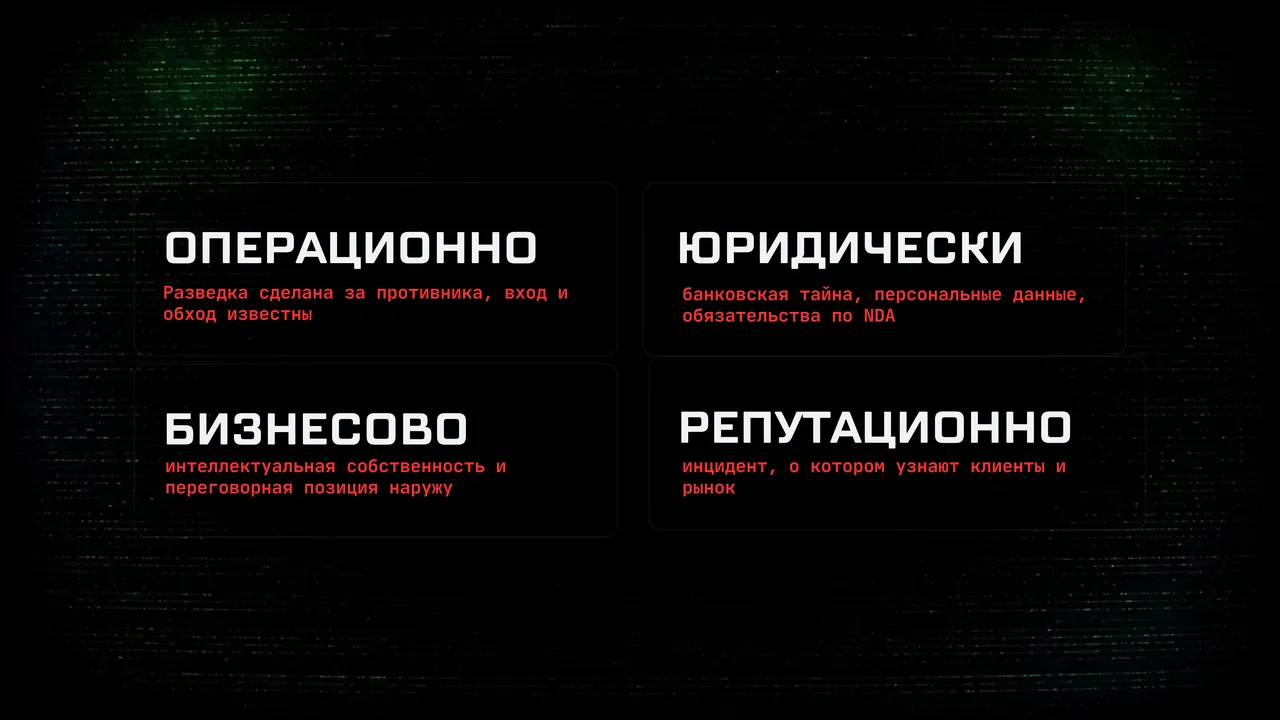
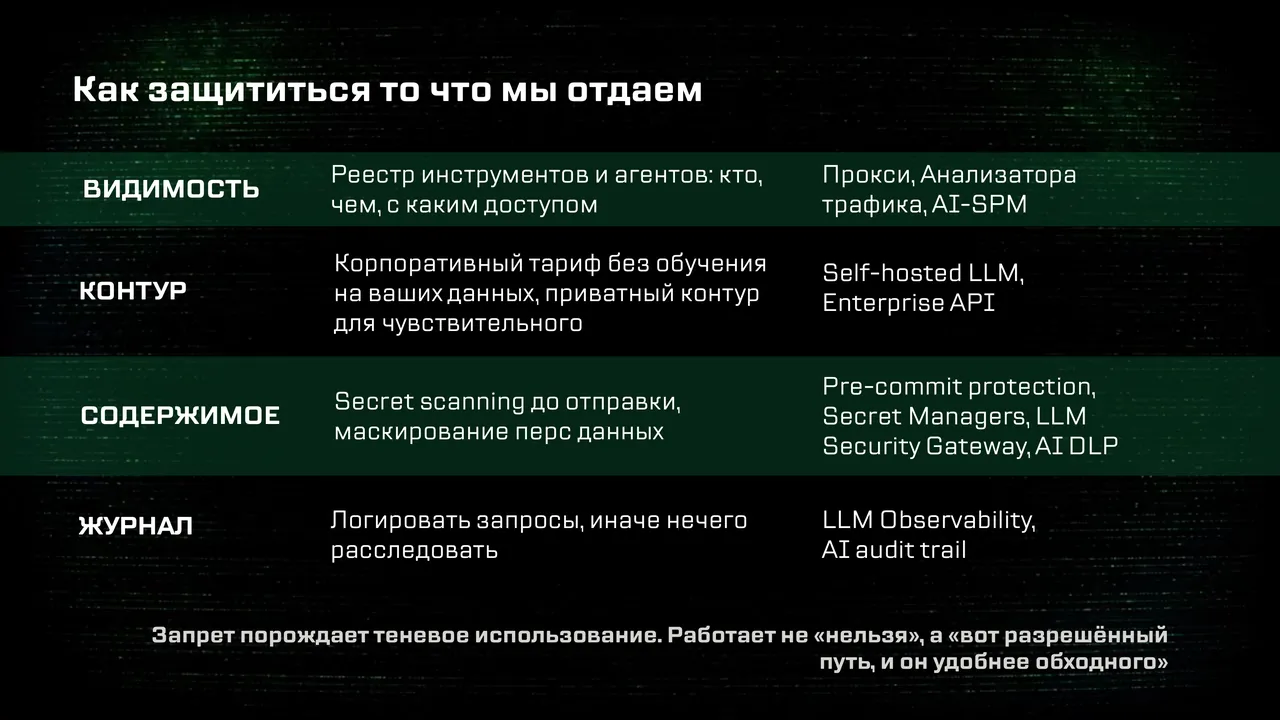
What we give to the model: source code, secrets, configs, personal data, the threat model. The defense is a registry of tools and agents, a corporate or own perimeter, secret scanning and masking before sending, a request log. A ban breeds shadow use: you need an allowed path that is more convenient than the workaround.
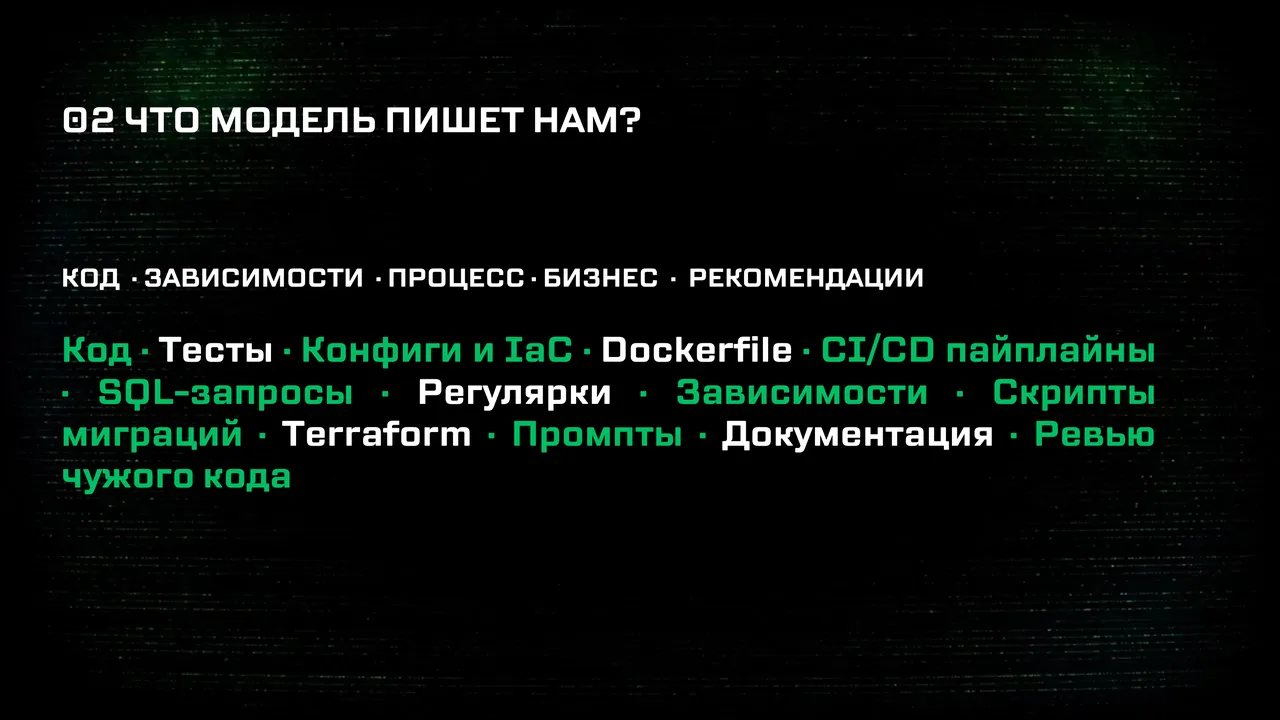
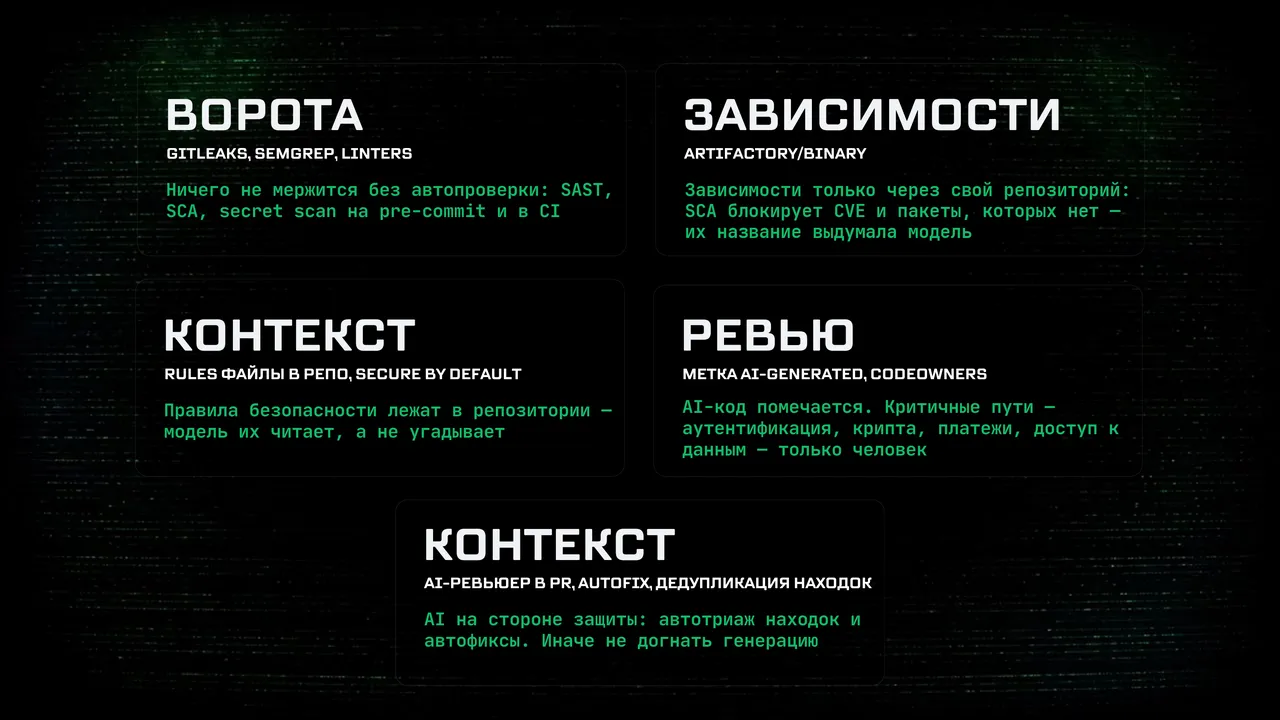
What the model writes for us: code, IaC, dependencies, pipelines. Gates in CI (SAST, SCA, secret scan), dependencies only through your own repository, security rules in the repository, an AI-generated label and a human on critical paths, an AI reviewer and auto-triage on the defense side.
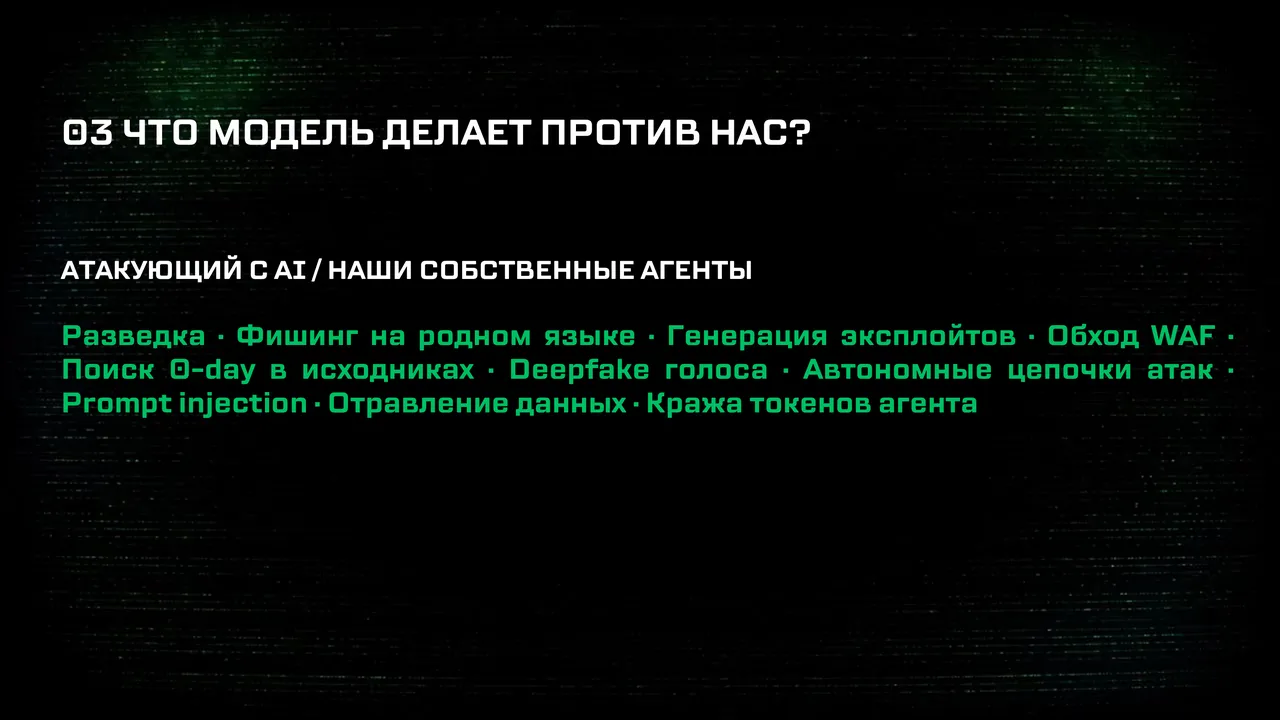
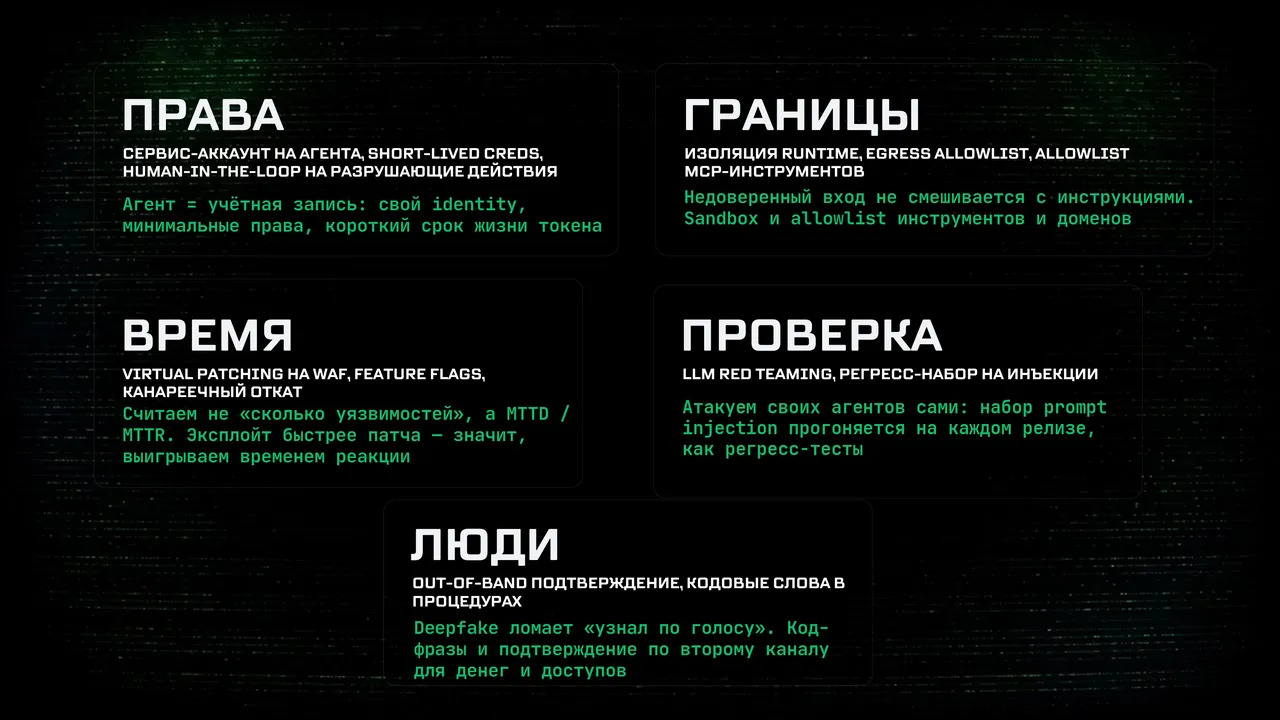
What the model does against us: reconnaissance, phishing in the native language, exploit generation, prompt injection, theft of agent tokens. An agent is an account with minimal rights, isolation and an allowlist, virtual patching and response time instead of counting vulnerabilities, red teaming your own agents, confirmation through a second channel against deepfakes.
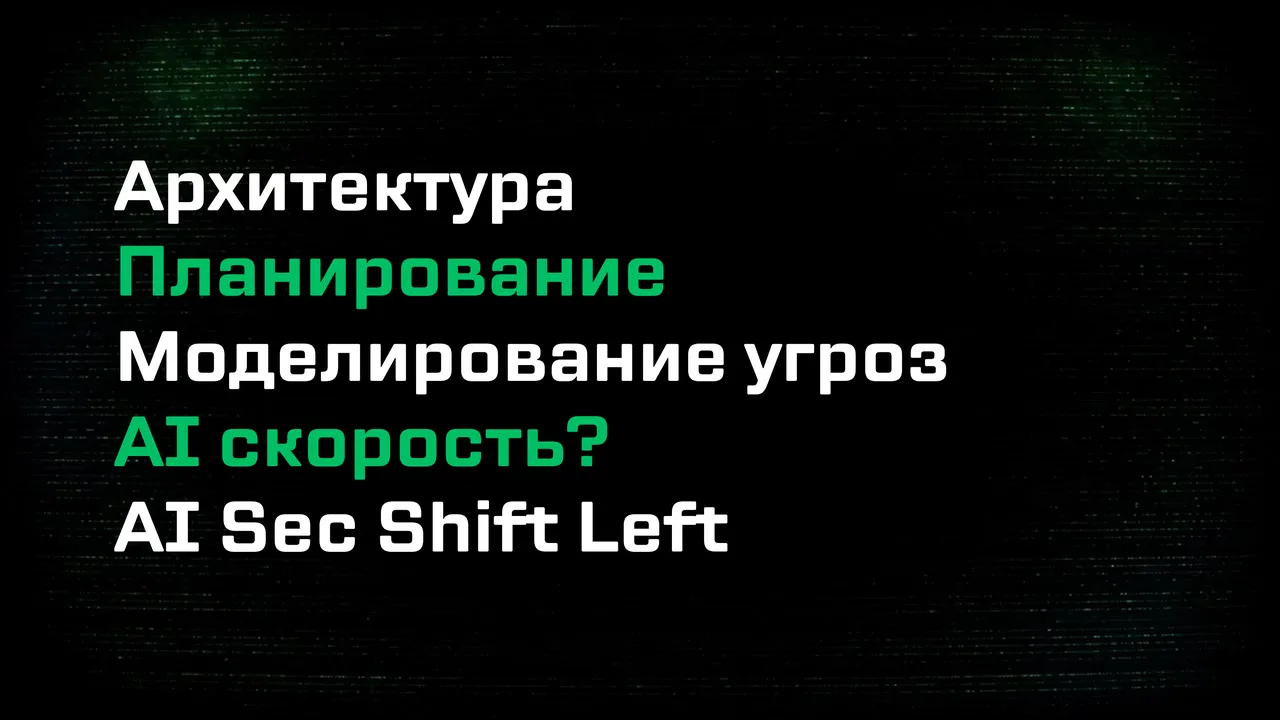
The result is AI Sec Shift Left: architecture, planning and threat modeling before the code is written.